Blog

  • I want Tourism NZ as a client

    I want Tourism NZ as a client

    You’ve probably seen the viral post about the UK which American tourist Scott Waters wrote

    I’ve updated it for New Zealand as seen through the eyes of an American Tourist. These insights help showcase the fun differences visitors notice about Godzone.

    And if the Tourism NZ team are reading this…. there are loads more ideas where this one came from.

    100 Observations About New Zealand

    By a Visiting American (AI). 

    Note: These observations come from genuine affection for New Zealand and its people. Any Kiwi reading this probably has 100 observations about Americans that would be equally amusing and accurate. Sweet as, bro.

    woman in yellow bikini snorkelling with fish in New Zealand
    Glass Bottom Boat, Whitianga Source: Tourism NZ Visual Library Credit Miles Holden
    1. Everyone calls it “Kiwi” everything – KiwiBank, Kiwi fruit, Kiwi people. The actual bird is surprisingly grumpy.
    2. They put beetroot on burgers and act like this is completely normal.
    3. “Yeah, nah” means no. “Nah, yeah” means yes. “Yeah, nah, yeah” means maybe.
    4. Their money is colorful, waterproof, and impossible to tear. Ours looks like Monopoly money by comparison.
    5. Jacinda Ardern was more popular in America than most of our own politicians.
    6. They call flip-flops “jandals” and everyone owns at least three pairs.
    7. The country has more sheep than people, but somehow the sheep don’t run things (unlike some places).
    8. Their coffee is so good it makes Starbucks taste like dishwater.
    9. Everyone knows someone who was an extra in Lord of the Rings.
    10. They call cotton candy “fairy floss” which is infinitely more magical.
    11. Their healthcare actually works AND they don’t complain about it as much.
    12. “Sweet as” doesn’t involve sugar – it just means “cool” or “great.”
    13. They have a town called “Hell” and another called “French Pass” – the French one is scarier.
    14. Their bacon is just ham pretending to be bacon.
    15. They say “How’s it going?” but don’t actually wait for an answer.
    16. The All Blacks do a war dance before rugby games and somehow this isn’t considered unsporting.
    17. They have seasons backwards, which means Christmas barbecues actually make sense.
    18. Their national bird can’t fly, their national tree isn’t native, and their most famous residents are hobbits.
    19. Everyone has a “bach” (pronounced “batch”) which is basically a shed by the beach they call a vacation home.
    20. They call swimsuits “togs” and coolers “chilly bins.”
    21. Their accent makes everything sound like a question even when it isn’t?
    22. They have earthquakes regularly and just shrug them off like we do traffic jams.
    23. Their idea of spicy food is adding tomato sauce to everything.
    24. They call gas stations “petrol stations” and act shocked when you don’t know what petrol is.
    25. Everyone drives like they’re late for something, but there’s never actually any traffic.
    26. They have a dessert called “hokey pokey” that has nothing to do with the dance.
    27. Their version of the American dream involves owning property anywhere within 100km of Auckland.
    28. They say “keen” instead of “interested” – “Keen for a coffee?” means “Want coffee?”
    29. They have volcanoes in their backyards and complain about the house prices instead.
    30. Their groceries cost more than a mortgage payment, but the wine is cheaper than water.
    31. Everyone has an opinion about Australian accents but gets offended if you confuse theirs.
    32. They call shopping carts “trolleys” and act like we’re the weird ones.
    33. Their postal service delivers mail with addresses like “Blue house, third farm past the big rock.”
    34. They have a chocolate bar called “Pineapple Lumps” that contains no pineapple.
    35. Their national dessert is meringue with fruit on top and they will fight you over who invented it.
    36. They drive on the left side of the road but their steering wheels are on the right side of the car.
    37. Everyone has a story about nearly hitting a sheep/cow/random farm animal on the highway.
    38. They call trucks “utes” and half of them are held together with number 8 wire and good intentions.
    39. Their idea of Mexican food would make a Taco Bell executive weep.
    40. They have more craft breweries per capita than sense, and we’re here for it.
    41. Everyone knows how to pronounce Māori place names or at least pretends to.
    42. They have a city called “Rotorua” that smells like sulfur but has amazing hot springs.
    43. Their weather changes every five minutes, but they never carry umbrellas.
    44. They call bell peppers “capsicums” and refuse to acknowledge this is wrong.
    45. Everyone has an uncle who lives “up north” or a cousin who moved to Australia.
    46. Their rugby players are treated like gods, their cricket players like mortals.
    47. They have drive-through bottle shops because, priorities.
    48. They call popsicles “ice blocks” and somehow this makes more sense.
    49. Their national airline safety videos are more entertaining than most movies.
    50. Everyone owns a barbecue but calls it a “barbie” without irony.
    51. They have a burger joint called “Fergburger” with queues longer than Disney World.
    52. Their milk comes in glass bottles like it’s 1950, and it tastes better.
    53. They say “chur bro” instead of “thanks dude” and it works.
    54. Their speed limits are suggestions that everyone ignores equally.
    55. They have a mountain called “Mount Maunganui” that’s actually a hill.
    56. Everyone has a wetsuit but only half know how to surf.
    57. Their idea of fine dining includes at least one item with “kumara” (sweet potato) in it.
    58. They call lunch “smoko” even when nobody smokes anymore.
    59. Their politicians actually resign when they mess up (what a concept).
    60. They have a bird that attacks people during nesting season and everyone just accepts this.
    61. Their rental cars come with unlimited mileage because the country is basically one long road trip.
    62. They call McDonald’s “Maccas” with genuine affection.
    63. Everyone has an opinion about the America’s Cup despite never going sailing.
    64. Their rugby team’s silver fern logo is more recognizable worldwide than their actual national flag.
    65. They have a phrase “world famous in New Zealand” which perfectly captures their adorable relationship with global recognition.
    66. They have a town with a 85-letter name that no tourist can pronounce.
    67. Everyone owns gumboots (rain boots) in at least two colors.
    68. Their ATMs apologize when you’re out of money.
    69. They call tornados “dust devils” and act like they’re lawn sprinklers.
    70. Their pharmacies are called “chemists” like they’re mixing potions.
    71. Everyone knows the haka but only performs it at weddings and rugby games.
    72. They have a cookie called “Afghan” that’s not from Afghanistan.
    73. Their elevators are called “lifts” which is more accurate but sounds pretentious.
    74. Everyone has a friend named “Bazza” or “Gazza” or some other nickname ending in “zza.”
    75. They put pineapple on pizza without the controversy we have about it.
    76. Their electricity plugs look like shocked faces.
    77. Everyone owns a puffy jacket in black, and they wear them year-round.
    78. They call ketchup “tomato sauce” and put it on everything, including eggs.
    79. Their idea of Mexican food is putting corn kernels on things.
    80. Everyone has a bach, wants a bach, or knows someone with a bach.
    81. They say “cheers” instead of goodbye, thank you, hello, or basically any social interaction.
    82. Their grocery stores sell single bananas and nobody questions this.
    83. Everyone drives a Toyota and acts like they discovered cars.
    84. They have a drink called “L&P” (Lemon & Paeroa) that tastes like carbonated lemonade.
    85. Their idea of spicy is adding pepper to the salt.
    86. Everyone owns hiking boots but half have never seen a mountain up close.
    87. They call vacuum cleaners “hoovers” regardless of brand loyalty.
    88. Their Christmas songs mention pohutukawa trees instead of pine trees.
    89. Everyone has an opinion about which beach is best despite them all looking identical to outsiders.
    90. They say “no worries” so much it should be the national motto.
    91. Their ice cream flavors include “boysenberry” and “hokey pokey” and somehow this works.
    92. Everyone owns a beanie (they call them “beanies” too) in team colors.
    93. They put butter on sandwiches even when there’s already mayo.
    94. Their radio plays more American music than New Zealand music, but they’re proud of their local bands.
    95. Everyone has a story about meeting someone famous at a pub or café.
    96. They call candy “lollies” and it sounds like they’re talking to children.
    97. Their idea of fine wine involves at least one sauvignon blanc from Marlborough.
    98. Everyone owns a kayak or knows someone who does.
    99. They say “she’ll be right” about everything from broken cars to national disasters.
    100. Their customer service people actually seem happy to help you.
    101. After visiting, you understand why people say it’s “God’s Own Country” – and you’re slightly offended your own country isn’t as nice to live in.
    Logo for Tourism New Zealand
  • The Complete Guide to SEO Services and Prices in 2025

    The Complete Guide to SEO Services and Prices in 2025

    When you want to drive long term website traffic, reach a larger audience and generate more leads/sales, search engine optimisation (SEO) is the perfect strategy. SEO is not a one-size-fits-all service because businesses differ in their needs (immediate results vs long term) and their marketing sophistication (how many different types of marketing you do each month) as well as marketing budgets (how much should you spend on marketing?).

    SEO is a specialist skill – yes you can learn how to do it yourself (Google offers free training courses) yet hiring an expert will get you results faster and without the rookie mistakes. It’s also a fast-moving discipline with new techniques being introduced regularly. The most recent is GEO (Generative Engine Optimisation) – which ensures AI tools like ChatGPT and Google AI cite your content as sources – read the numero® ebook on this.

    When you want to hire an SEO agency, you need to know how much SEO costs and what you get for your money.

    In this post, we will help you to understand the cost of SEO so you clearly know how much to pay when you hire a professional SEO agency such as Numero.

    Let’s explore some numbers.

    Read on for in-depth information or call us at 09 390 3997 to discuss your unique requirements with an SEO specialist.

    How Much Does Business SEO Cost?

    The average cost of search engine optimisation in New Zealand is $1,850 to $6,000 per month. This covers micro businesses (1-3 people) up to medium sized businesses (20+ people). For one-off SEO projects, the cost can range anywhere between $5,000 to $25,000 depending on the size of the job and the specific details.

    Small businesses can expect to pay an $150 to $300 an hour for SEO services.

    What Affects the Cost of SEO?

    A variety of factors influence the average cost of SEO services such as:

    • The agency’s pricing model (hourly, retainer, length of contract)
    • The agency’s experience (solo freelancer, 2 years experience up to 10 years plus)
    • The goals of your SEO strategy (quick increase in sales leads vs long term web visibility)
    • The timeline of your SEO campaign (3 months versus 18 months plus)
    • The software, tools or resources required (your website has 10 pages or 1000s of pages)

    When looking at SEO costs, it’s important to note that search engine optimisation is a long-term investment. SEO does not produce instant results. By investing in a well-designed SEO strategy, you are improving the visibility of your website, which will drive more traffic, leads and sales for your business.

    In comparison to other online marketing strategies such as social media marketing and PPC, SEO will deliver powerful results for your business over the long-term. It will keep delivering a high ROI week after week whereas PPC will stop delivering results the moment you stop paying for the advertising campaign.

    When comparing the costs of SEO, look for an experienced SEO agency rather than searching for the cheapest service. Low-cost SEO will not do your business any good. It will cause harm if shortcuts, link farms and other “black hat” SEO techniques are used. This will get your website in trouble, and attracting Google penalties and instant removal from search results. If you aren’t expert in SEO you will find it hard to spot this malpractice happening until it’s too late and Google has penalised your website removing it from search results.

    How Much Does SEO Cost Per Project, Month and Hour?

    SEO agencies price their services differently, and no two companies will quote the same rate. Your business model, company size and SEO requirements will determine the size and scope of your SEO strategy and how much it will cost you. If you have already done a lot of website SEO and want to maintain your keyword prominence or add a new service line the costs will be lower than if you have done no SEO in the past.

    But there are some basic pricing models that a lot of SEO companies and consultants lean on to price their SEO services. These include hourly, monthly and project-based. Let’s take a look at the average cost of SEO services under each of these pricing models:

    • Cost of Hourly SEO Services

    Freelance SEO consultants typically charge by the hour, and the costs can range from $30 to $400 per hour. Most clients spend anywhere from $80 to $250 an hour, depending on whether they hire a freelancer or a small team and whether the SEO expert is a newcomer or has years of experience in SEO.

    • Cost of Monthly SEO Services

    This is the best option for business that understand ongoing SEO investment.

    Monthly SEO plans can start from as low as $850 per month (as part of a basic plan, your SEO agency will carry out basic SEO tasks on your website. This includes keyword research, technical website SEO, copywriting and on-page SEO. Monthly plans can go as high as $6,000 a month or more (where the agency will create high-quality content and outreach to your website to build back links).

    Most business find a middle ground and invest anywhere from $1,750 to $2,500 a month for a customised SEO campaign tailored to their requirements.

    • Cost of Project-Based SEO Services

    Although this model is not very common, businesses do hire an SEO agency to carry out extensive work for a specific campaign or project. One example can be rescuing your website after suffering Google penalties. Getting penalised is usually the result of poor practice SEO and black hat techniques. Because the requirements of a project depends on the needs of a campaign and the company, it is not easy to provide an estimate and the prices could range from $5,000 to $25,000 and more. The final cost will depend on the scope of the project, time frame and the level of experience of the agency.

    What Does numero’s SEO Service Cover?

    A big reason why there’s no standard rate for SEO is that the services vary from agency to agency. The cheapest SEO services offer keyword research and inserting these into your website. This is very basic. The more sophisticated SEO services include link building, SEO for AI artificial intelligence and GEO. A fully integrated digital marketing service blends SEO with advertising and other services. numero® offers “blended” marketing across all performance marketing services.

    Our SEO plan may cover all or most of the following monthly SEO tasks:

    • Crafting a customised SEO strategy
    • Keyword research
    • Designing and launching your SEO campaign
    • Managing your social media pages
    • Carrying out technical SEO audits
    • Writing blog posts
    • On-page SEO for your product/service pages
    • Improving the page load speed of your website
    • Improving your website’s technical SEO
    • Launching an outreach campaign to earn backlinks from authority websites

    This is just an example of the tasks that an SEO plan can cover. What you actually get will depend on the plan you choose, your customised SEO strategy and how it’s integrated with other marketing activities like advertising.

    Is my SEO working?

    Judging the success of SEO can definitely be traced and monitored. Here’s a high level summary of core SEO success metrics. Ask the numero team to explain these

    Traffic and Visibility:

    • Organic search traffic growth over time
    • Search engine rankings for target keywords
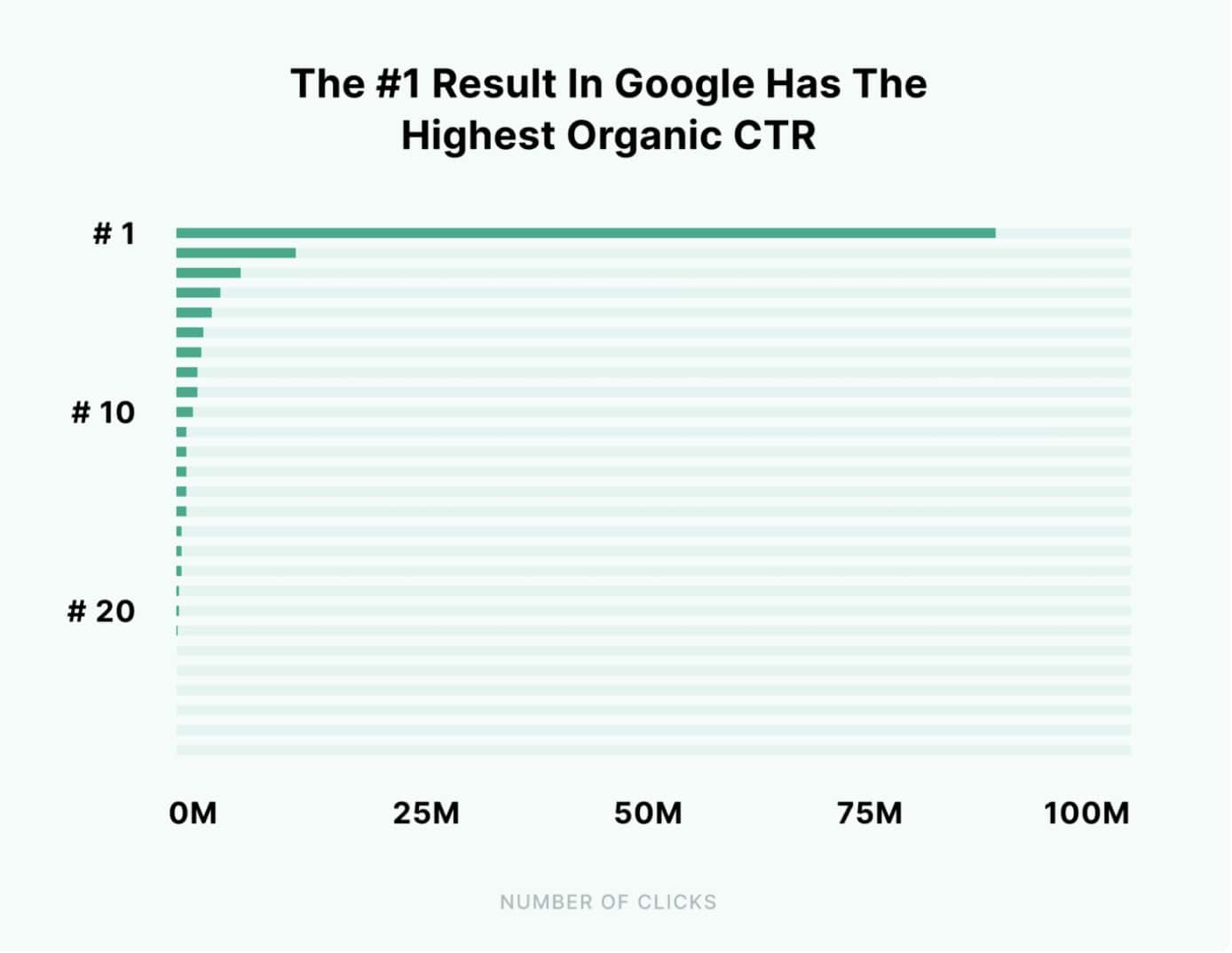
    • Click-through rates from search results
    • Organic traffic as percentage of total website traffic

    Engagement Quality:

    • Time spent on pages from organic search
    • Bounce rate for organic visitors
    • Pages per session from search traffic
    • Conversion rates from organic visitors

    Technical Performance:

    • Site loading speed and Core Web Vitals
    • Mobile usability scores
    • Crawl errors and indexing issues

    Tools that measure SEO success

    Essential SEO Tools

    • Google’s Free Tools:
    • Google Analytics 4 – Track organic traffic, user behavior, and conversions
    • Google Search Console – Monitor search performance, indexing status, and technical issues
    • PageSpeed Insights – Check site speed and Core Web Vitals

    Comprehensive Paid Tools:

    • SEMrush or Ahrefs – Keyword tracking, competitor analysis, backlink monitoring
    • Moz Pro – Rank tracking, site audits, keyword research
    • Screaming Frog – Technical SEO auditing

    Specialised Tools:

    • GTmetrix or WebPageTest – Detailed site speed analysis
    • Ubersuggest – Low budget keyword and competitor research

    How Much Should I Pay for SEO Services?

    There is no standard guideline for SEO pricing. This means that anyone can claim to offer SEO services and charge any price they like. So the responsibility of deciding what is a fair price for SEO falls on you, the customer, especially in case of an ongoing monthly plans.

    As we saw above, the cost of SEO is as varied and varied as the agencies in New Zealand. So you are perhaps wondering how much you should pay for SEO. So how do you get to the right number?

    Here are some questions to consider:

    • What is your website visibility and keyword goal?
    • Are you a local business or a global business selling overseas?
    • How much can you afford to pay?
    • How much do your employees know about SEO?

    numero® is happy to work alongside your in-house marketing team training them up to do advanced SEO work.

    Request a Free SEO Audit

    Claim your free SEO audit and receive our in-depth report outlining the strengths and weaknesses of your current SEO strategy along with a free action plan to boost your online presence.

    For more information about our SEO services or to discuss your requirements, contact the numero® team today.

  • Ecommerce use ChatGPT search

    Ecommerce use ChatGPT search

    Got 3 minutes? New customers await

    When something happens which might be useful for your business we want to tell you about it straight away.

    Back in April ChatGPT (the AI tool) announced that it will shortly be incorporating ecommerce products into ChatGPT answers. So the numero® team have checked it out – and it’s legit.

    ChatGPT is a search engine now.

    This is gold for shop owners like you.

    And best of all it’s a 3 minute job and it’s free of charge!

    Here’s how to enable ChatGPT product discovery

    Click this link to go to the ChatGPT explainer page for product discovery. At the bottom is a form where you share your shop website, your contact details. Seriously, it’s a three minute job and if it might lead to new customers, what’s not to like?

    Quick Win

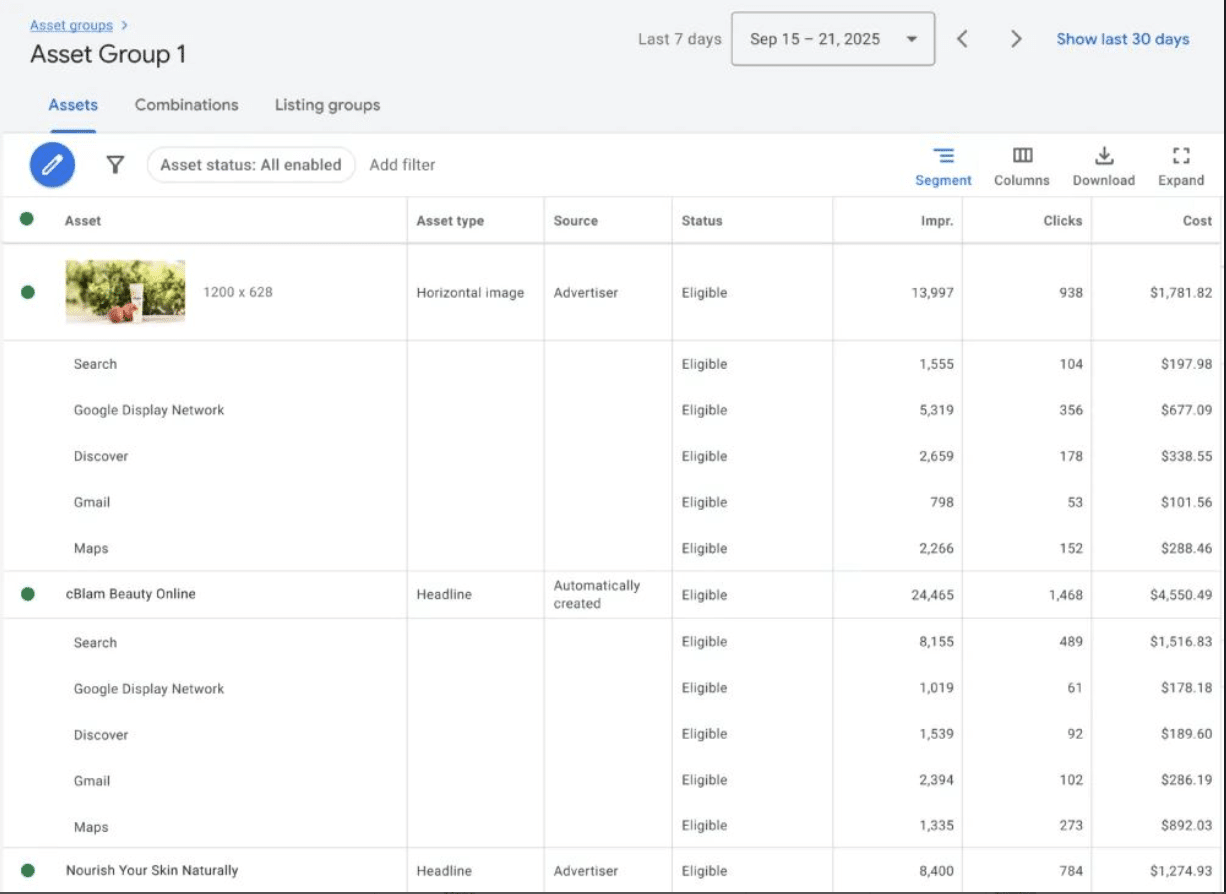
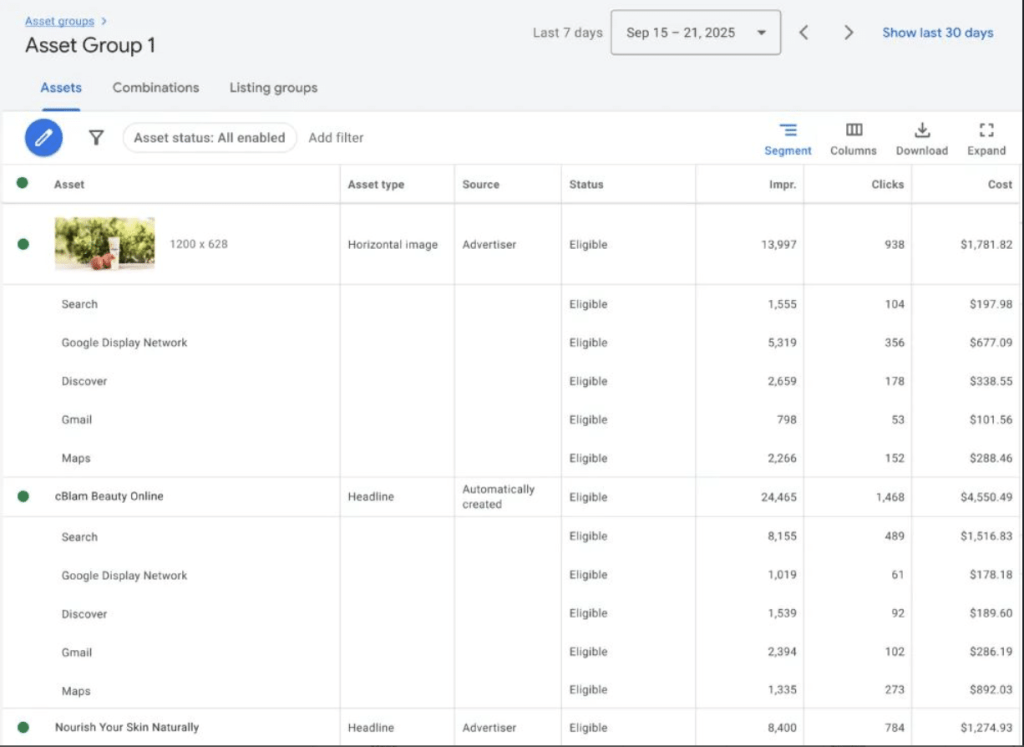
    Our client Manuka South took action in June 2025 – by September this was the AI search result for their product range. That was quick (and easy).

    AI Mode Google Search results for Manuka South honey
    Manuka South ChatGPT search results showing honey products

    Try it for yourself – open ChatGPT and search “Manuka South Honey for sale” – see what comes up.

    Additional resources

  • How Much Does SEO Cost in NZ? [2025 Pricing Guide]

    How Much Does SEO Cost in NZ? [2025 Pricing Guide]

    If you’re asking “what does SEO cost in New Zealand?” — you’re not alone. Thousands of Kiwi businesses search for answers every month. The truth? SEO pricing in NZ varies depending on your business size, goals, and the agency you hire.

    Below, we break down the average cost of SEO in New Zealand, so you know what to budget.

    Let’s explore some numbers.

    For in-depth information on what would SEO cost for your business call us at 09 390 3997 to discuss your requirements with an SEO specialist. Book an SEO audit for your website.


    Average SEO Costs in NZ

    Service TypeAverage Cost (NZD)Best For
    Monthly Retainer$1,837 – $6,300+Ongoing SEO for small–medium businesses
    Monthly Retainer$6,850 – $12,900Ongoing SEO for enterprise business
    One-off SEO Project$5,000 – $25,000Website rebuilds, migrations, penalty recovery, or major campaigns 
    Hourly SEO Consulting$150 – $300Strategy sessions, training, audits
    SEO Audit$1,500 – $5,000Businesses wanting a roadmap before investing

    SEO Costs for Small Businesses

    Small businesses in NZ often spend between $1,800 – $3,500 per month on SEO. This typically includes:

    • Keyword research
    • On-page SEO
    • Content optimisation
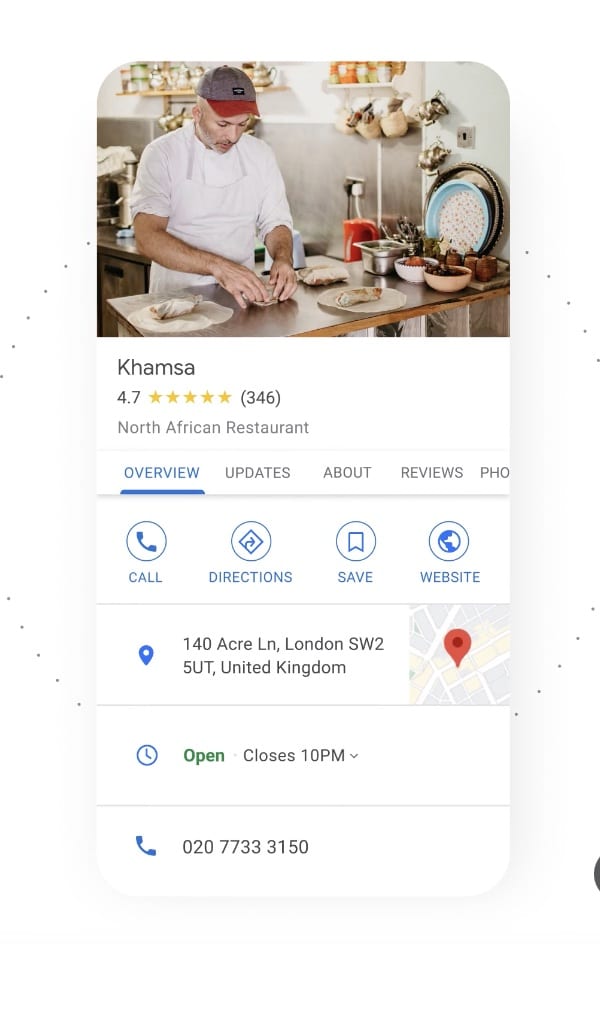
    • Local SEO (Google Business Profile, maps, citations)
    • Monthly reporting

    Tip: Avoid “cheap SEO” (e.g. $200/month). These usually involve spammy links or outdated tactics that can hurt your rankings.


    SEO Pricing for Enterprise Business & E-commerce

    • Enterprise SEO: $6,850+ per month, due to scale, technical depth, and content demands.
    • E-commerce SEO: Often $3,000+ per month, depending on product range and competition.

    SEO Packages vs. Custom Pricing

    Some NZ agencies advertise “SEO packages” with fixed deliverables. Others (like enterprise agencies) create custom strategies.

    When comparing SEO plans, look beyond the price tag. Ask:

    • How many hours of work are included?
    • Is content creation part of the package?
    • Will you build external links, or is that extra?
    • Do you provide reporting & transparency?

    Why Do SEO Costs Vary So Much?

    • Competition in your industry (e.g. local plumber vs. national e-commerce site).
    • Scope of services (technical SEO, content, backlinks, local SEO, GEO, AI).
    • Agency experience (junior freelancer vs. specialist team).
    • Timeline & goals (ranking in 6 months vs. 18 months).

    How Much Should You Budget for SEO in NZ?

    • Small businesses: $1,000 – $2,500 per month
    • Medium businesses: $2,500 – $5,000 per month
    • Large/enterprise: $5,000+ per month

    The key is ROI: a strong SEO strategy should generate leads or sales that far outweigh the cost.


    FAQ – answers to your SEO questions

    Q: What is the average cost of SEO in New Zealand?
    Most NZ businesses pay between $1,850 – $3,900 per month.

    Q: What’s included in an SEO audit?
    We review your website starting with the words and pictures through to how it is built, the software set-up, internal links, and how fast it loads. Then we start working on your current keywords, blog articles and we do a content analysis. Lastly we look at your search rankings, external links and then review the gaps in your current content and keywords where we can get SEO quick wins for you. All this is written into a detailed report which we send you. 

    Q: How much does a detailed SEO audit cost?
    A one-off SEO audit costs $1,500 – $5,000 depending on website size. If you hire numero® we include an SEO audit AND SEO strategy in your monthly fee. A basic SEO audit is available free of charge to you – register here.

    Q: Is SEO worth it for small businesses?
    Yes. When done properly, SEO drives consistent traffic and leads, often with a higher ROI than ads.

    Q: How long does SEO take to see results?

    The fastest results can come from technical on-page SEO which may show results within weeks because once your website is correctly structured it will be correctly indexed by Google. However, GBP can also be very fast. Content SEO is the next fastest as we build the keyword hierarchy that aligns with your business products. Month by month we add new content – when you have a good back catalogue of content, this becomes more effective as an SEO strategy. Lastly, link building is the long-burn in our SEO services. It works, but not overnight.

    Q: How much does SEO cost for small businesses?
    Small businesses typically spend $1,800 – $2,500 per month for ongoing SEO.

  • Beyond the Race to Zero: 5 Black Friday Campaigns That Create Long-Term Value

    Beyond the Race to Zero: 5 Black Friday Campaigns That Create Long-Term Value

    Your David vs. Goliath Guide to Black Friday for Owner-Managed Ecommerce Businesses

    Breaking the Discount Death Spiral

    Every November, the same script plays out across retail: brands slash prices, margins evaporate, and customer expectations reset to expect everything cheaper. It’s a destructive cycle that turns Black Friday from a profit opportunity into a margin-killing necessity. As a small business retailer you sigh with despair because you just cannot match the discounts or the marketing advertising spend of the big guys.

    But here’s what the big retailers don’t want you to know: owner-managed ecommerce businesses have a secret weapon. While corporate giants are trapped in boardroom-approved discount strategies, you have the agility, authenticity, and customer relationships to flip the script and win the Black Friday Race.

    This isn’t about competing on price, it’s about competing on value, creativity, and genuine customer connection. Some of the most successful Black Friday campaigns in history have done exactly the opposite of what everyone expects.

    The rest of this article explores

    • Part 1 – Three tried and tested frameworks
    • Part 2 – Five new frameworks that build brand value
    • Part 3 – The owner manager advantage – how you can win in 2025
    • Part 4 – Five campaign concepts you can use
    • Part 5 – Metrics and success over the long term

    Part 1: Tried & Tested Frameworks (And Why They’re Failing)

    Before we break the Black Friday marketing rules, let’s understand them. Here are the 3 frameworks that built Black Friday and why they’re becoming less effective year by year.

    1. The Classic Discount Stack

    What it looks like:

    • Sitewide percentages (15-50% off)
    • Tiered discounts (“Spend $100, save $20”)
    • BOGO offers (Buy One Get One Free)
    • Bundle pricing (Buy these two things together)

    Why it works: Simple to execute, easy for customers to understand, creates immediate urgency.

    Why it’s failing: Every brand does this now. Your 30% off looks identical to your competitor’s 30% off. The worst part of this is that it trains customers to only buy when things are cheap, and you’re in a race to zero with your margins. This is a particular problem in New Zealand where “everyone loves a special”.

    Best for: High-volume, low-margin products where you can afford the hit and need to move inventory.

    2. The Urgency Trinity

    What it looks like:

    • Limited time (“24-hour flash sale”)
    • Limited quantity (“Only 50 left in stock”)
    • Limited access (“VIP early access for subscribers”)

    Why it works: Leverages FOMO (Fear of Missing Out) psychology and scarcity principles that drive immediate action.

    Why it’s failing: Customers have become immune to fake scarcity. They know your “limited time” offer will probably be back next week, and your “only 50 left” might not be true.

    Best for: Genuinely limited or seasonal products where scarcity is real.

    3. The Bundle Strategy

    What it looks like:

    • Gift sets and curated collections
    • “Complete the look” packages
    • Cross-category bundles

    Why it works: Increases average order value without deep individual product discounts.

    Why it’s declining: Customers are more informed and prefer to choose their own combinations. Generic bundling feels lazy.

    Best for: Products that naturally complement each other or themed collections. Works well if you know the customer has already purchased one of the products.

    Part 2: The New Rules: 5 Frameworks That Actually Build Value

    Framework 1: The Anti-Black Friday Revolution

    Patagonia 2011 Black Friday advert

    The Strategy: Instead of discounting, take a stand against consumerism and Black Friday culture itself.

    Real Example: In 2011, Patagonia published an audacious full-page ad in The New York Times on Black Friday telling viewers not to buy their jacket. With this ad, the company aspired to raise consumer awareness regarding the consequences of over-consumption, especially in the textile industry.

    The Result: Instead of hurting sales, the campaign generated massive media coverage, strengthened brand loyalty, and attracted environmentally conscious customers who became lifelong advocates.

    Another Iconic Example: Cards Against Humanity made headlines in 2013 for increasing its prices by $5 as part of a Black Friday “anti-sale”. Despite its higher price, the game maintained its best-selling status on Amazon and experienced a minor spike in sales during that period. In other campaigns they’ve also sold “Nothing for $5” (literally nothing) and made $70K, and even sold boxes of actual bull sh*t.

    Cards Against Humanity anti-Black Friday price increase

    How to execute for your business:

    • For sustainable/ethical brands: “We don’t discount quality” campaign with focus on fair wages, sustainable materials, craftsmanship
    • For luxury/artisan brands: “Black Friday is for mass production, not masterpieces” – emphasise your craftsmanship story
    • For service-based: “We’re closed on Black Friday” why not give your team the day off and make your brand messaging for this day about values? You value your staff.

    Perfect for: Brands with strong values, premium positioning, or customers who align with counter-culture movements.

    Framework 2: The Value-First Revolution

    The Strategy: Instead of reducing prices, add value through exclusive services, bonuses, or experiences.

    Real Examples:

    • Warby Parker: Free home try-on service becomes “Black Friday: Try 10 spectacles frames at home instead of 5”
    • Casper Mattresses: Same mattress price but includes premium bedding set, white-glove setup, and extended trial period
    • Local jewellery shop: “Black Friday Concierge” – personal shopping appointments with complimentary wine and snacks

    How to execute:

    • Premium shipping/service: Express shipping, white-glove delivery, or setup services
    • Exclusive access: Behind-the-scenes content, founder calls, early access to new products
    • Educational value: Free courses, consultations, or masterclasses with purchase
    • Experience add-ons: Virtual styling sessions, personalised consultations, shopping assistance

    Perfect for: Service-oriented businesses, premium brands, or companies with expertise to share.

    Framework 3: The Community Commerce Model

    The Strategy: Make customers active participants in your Black Friday campaign, not just recipients.

    Elle Magazine article profiling Glossier’s BF sale

    Real Examples:

    • Glossier: User-generated content campaigns where customers become models
    • Airbnb: Referral multipliers where both parties benefit
    • Small coffee roaster: “Tag a friend who needs good coffee” – both get 20% off

    How to execute:

    • Referral multipliers: Friend saves 20%, you save 20%
    • UGC contests: Best product photos/videos win prizes, all participants get discount codes
    • Community challenges: “Help us reach 1000 orders and everyone gets a bonus gift”
    • Social proof campaigns: Feature real customers, their stories, and offer them ambassador perks

    Perfect for: Brands with engaged communities, lifestyle products, or businesses with strong social media presence.

    Framework 4: The Experience Economy Approach

    The Strategy: Sell experiences and stories, not just products.

    Allbirds news article about BF climate charity donation

    Real Examples:

    • Allbirds: Virtual factory tours showing sustainable manufacturing
    • Ben & Jerry’s: Live ice cream making sessions with founders
    • Local bakery: “Black Friday Baking Class” – learn to make signature items

    How to execute:

    • Live shopping events: Host live product demos with Q&A
    • Virtual experiences: Behind-the-scenes tours, meet-the-maker sessions
    • Limited collaborations: Partner with local artists, influencers, or complementary brands
    • Customisation experiences: Live personalisation, custom packaging, or made-to-order items

    Perfect for: Artisan brands, food/beverage companies, or businesses with interesting production processes.

    Framework 5: The Micro-Moment Marketing

    The Strategy: Hyper-personalised, multi-channel campaigns that meet customers exactly where they are.

    The Science: Studies show that using a mix of channels creates more impactful campaigns than relying on single-channel approaches.

    Real Examples

    • Spotify: “Your Black Friday Wrapped” – personalised playlists with product recommendations
    • Nike: App-based campaigns with Augmented Reality try-ons and personalised workout plans
    • Local bookstore: Personalised book recommendations via SMS based on previous purchases

    How to execute:

    • Behaviour-triggered campaigns: Different offers based on browsing history, purchase patterns, or engagement level
    • Channel orchestration: Email announcement → SMS reminder → social media FOMO → retargeting ads
    • Real-time personalisation: Dynamic website content, personalised product recommendations
    • Micro-segmentation: Different campaigns for new customers, VIPs, repeat buyers, at-risk customers

    Perfect for: Businesses with good customer data, multiple touchpoints, or diverse customer segments.

    Cards Against Humanity charity donation on Black Friday

    Part 3: The Owner-Manager Advantage

    Here’s why these strategies work better for owner-managed businesses than corporate giants:

    1. Authentic Storytelling

    Corporate brands have marketing committees and brand guidelines. You have a real story, real personality, and real relationships with customers. Use them. Customers recognise your authentic voice.

    2. Rapid Execution

    While big retailers need months of planning and committee approvals, you can pivot in days. Saw a competitor do something boring? Counter with something memorable by next week tomorrow.

    3. Personal Connection

    You can personally respond to customers, share your own story, and build genuine relationships. Your customers aren’t buying from a faceless corporation, they’re buying from YOU.

    4. Creative Freedom

    No corporate legal team is going to approve Cards Against Humanity’s bull sh*t campaign. But as an owner-manager, you can take calculated creative risks that generate massive buzz.

    5. Values-Driven Marketing

    Customers increasingly buy from brands whose values align with theirs. As an owner, your personal values can become powerful differentiators.


    Part 4: Implementation Guide – Choose Your Fight

    Get in touch with the numero® team and let us go to fight on your behalf next Black Friday.

    Niche down your offer to align with your audience.

    For Premium/Luxury Brands: The Anti-Black Friday Revolution

    • Campaign name: “Craftsmanship Doesn’t Go on Sale”
    • Key message: Quality over quantity, values over discounts
    • Execution: Behind-the-scenes content showing craftsmanship, the founder story about why you don’t discount
    • Channels: Email to VIP customers, social media storytelling, PR outreach

    For Service-Based Businesses: The Value-First Revolution

    • Campaign name: “Black Friday Upgrades”
    • Key message: Same investment, premium experience
    • Execution: Add consultations, premium support, exclusive access, or extended guarantees
    • Channels: Email campaigns, LinkedIn for B2B, Google Ads highlighting value-adds

    For Community-Driven Brands: The Community Commerce Model

    • Campaign name: “Friends & Family Friday”
    • Key message: Better together, shared benefits
    • Execution: Referral programs, UGC contests, community challenges
    • Channels: Social media, email to advocates, influencer partnerships

    For Artisan/Maker Brands: The Experience Economy Approach

    • Campaign name: “Behind the Magic”
    • Key message: Process over product, story over sale
    • Execution: Live demonstrations, virtual workshops, maker stories
    • Channels: Instagram Live, YouTube, email storytelling

    For Data-Rich Businesses: The Micro-Moment Marketing

    • Campaign name: “Your Personal Black Friday”
    • Key message: Tailored just for you
    • Execution: Personalised recommendations, behaviour-triggered campaigns, dynamic content
    • Channels: Email automation, SMS, retargeting ads, app notifications

    Part 5: Measuring Success Beyond Revenue

    Traditional Black Friday metrics focus on immediate sales, but value-building campaigns require different KPIs:

    Photo by Artem Beliaikin on Unsplash

    Immediate Metrics:

    • Engagement rates (email opens, social media interactions)
    • Brand mention sentiment (positive vs. negative coverage)
    • New customer acquisition cost
    • Email/social subscriber growth (follower count)

    Long-term Metrics:

    • Customer lifetime value (do these customers stick around?)
    • Brand perception studies (pre/post campaign surveys)
    • Organic reach and mentions (earned media value)
    • Customer retention rates (90-day, 6-month cohorts)

    The Ultimate Metric: Customer Love

    • Unsolicited testimonials
    • User-generated content
    • Word-of-mouth referrals
    • Repeat purchase behaviour

    Conclusion: Your Black Friday Revolution Starts Here

    The brands that will thrive in the next decade aren’t the ones with the deepest discounts. They’re the ones that build the strongest relationships. Black Friday gives you a moment when everyone’s paying attention. The question is: what do you want your customers to remember?

    While your competitors are trapped in the discount death spiral, you have the opportunity to stand out, build value, and create customers who choose you for reasons that go far beyond price.

    The revolution starts with a simple decision: Will you race to zero, or will you build something that lasts?

    Your customers are tired of being sold to. They’re ready to be inspired, included, and valued.

    The choice is yours.


    Ready to plan your value-building Black Friday campaign? Start by identifying which framework aligns best with your brand values and customer base. Remember: the goal isn’t to win Black Friday, it’s to build a business that doesn’t need Black Friday to succeed. Ask numero® to add their expertise to your team.

    Contact us for a chat.

  • Link building is BS, right?

    Link building is BS, right?

    That was a direct quote from a customer. They believed that for modern business websites seeking to rank in natural search results there was no need for link building.

    Link Building is not BS.

    It remains a valid and essential strategy for search engine optimisation in 2025.

    The numero® SEO team works on both on-page and off-page linking for our clients. Both contribute to natural search success.

    Link building is essential

    Here’s why. Link building remains a core signal for the search algorithms. I did some research into 8 reasons why you should not abandon link building when doing SEO on business websites.

    1. It’s still a core ranking factor – According to a study by Patrick Stox analysing 1,000,000 keywords, links remain a crucial ranking factor in 2025 Is Link Building Still Important for SEO in 2025? – Wisp CMS
    2. Statistical evidence – When comparing website content with and without backlinks, studies prove that 91% of content fails to rank if it hasn’t got high quality backlinks Is Link Building Still Relevant to SEO in 2025 – BetterLinks
    3. Emphasise quality over quantity – High quality “link signals” remain a key part of the Google Search algorithm. Prioritising authoritative, relevant backlinks from trustworthy sources is essential for the modern business website. Search Engine Land
    4. Competitive advantage – 52% of businesses believe link building is the toughest part of SEO. Link farms and thin content pages get penalised so it’s harder to game the algorithm Coalition Technologies
    5. Trust and authority signals [EEET] – Link building remains core to SEO best practice SEO Space
    6. Local SEO benefits – For many businesses, local links from authoritative local domains, Google Business Profiles, or local directories definitely boost regional search visibility
    7. Content amplification – High quality links are part of the content distribution tactics used by the numero® SEO team. These drive referral traffic of human readers.
    8. Long-term investment – SEO is not a quick-fix – it’s a consistent and persistent task for modern marketers. Website backlinks give lasting value and they compound over time

    Local SEO is essential for bricks and mortar businesses where you want customers to visit your premises. And a nice chalk board is a friendly sign that you appreciate your customers too.

    SEO does not stand still

    Marketing is a diverse and evolving business discipline. It changes and the horizon of “best practice SEO” changes regularly. This isn’t just driven by algorithm updates and the 4 stages of SEO, it’s based on real life work for our clients and our own website. The fact that you’re reading this shows that SEO is an effective marketing tactic.

    In 2025, numero® has found that by having a focus on earning links through valuable content proves that expertise continues to be a strong basis for delivering excellent natural search results.

    We continue to develop new techniques – read about GEO and how AI is affecting search results, or just give us a call and we’ll assess your website’s SEO for context, relevance and give you our views about how you can improve outcomes.

    Author ExpertiseJohn Anthony Talaguit

    John brings comprehensive digital marketing expertise spanning strategic planning, technical optimisation, and multi-channel execution to numero®’s clients. His core strengths include developing timeline-driven marketing strategies, advanced SEO implementation with schema markup and Core Web Vitals optimisation, and comprehensive Google Analytics tracking. He excels in paid advertising across Google Ads, YouTube, and display networks, whilst maintaining expertise in conversion rate optimisation and email marketing. Technical capabilities encompass WordPress development, mobile-first optimisation, and scripting in HTML, PHP, CSS, and JavaScript. John’s experience extends to social media management, e-commerce optimisation, and cross-team project management, making him a well-rounded digital marketing strategist with strong technical acumen.

  • Post-click attribution for PPC

    Post-click attribution for PPC

    The future of attribution isn’t in the platform dashboards. It’s post-click.

    We’re seeing more and more businesses make critical decisions based on incomplete data. GA4 is a step in the right direction, but even then, attribution is messy.

    Marketing attribution defined

    Marketing attribution is the practice of assigning credit for conversions or revenue to marketing touchpoints in order to pinpoint the touchpoints and channels that are working best and allocate resources accordingly.

    Adobe for Business

    iOS changes, cookie restrictions, and delayed reporting mean that relying on platform-reported conversions alone (Meta, Google Ads, etc.) will almost always give you a skewed view of what’s really working.

    Advert performance varies

    An ad campaign that looks like it’s underperforming at the ad level might actually be driving high-value leads once you map the full customer journey. But you’d never see that if you’re only reviewing surface-level metrics.

    We’ve been shifting more of our clients to blended post-click attribution models, combining GA4, CRM data, and back-end lead quality scoring. The insights are completely different and often surprising.

    This is not about ignoring platform metrics. It’s about layering them with the stuff that actually closes deals.

    Let me know if you’re navigating the same challenges. Happy to share what’s working here at numero®️ – just ask.

    Author ExpertiseHarry Kidby

    Harry brings senior-level performance marketing expertise and strategic sales leadership to numero®’s partnership approach with forward-thinking businesses. His core strengths include developing comprehensive digital marketing strategies for e-commerce and service businesses, executing multi-channel campaigns that drive measurable content engagement, lead generation, and sales conversion across New Zealand and international markets. He excels in performance-focused campaign deployment and measurement, combining strategic planning with hands-on execution to deliver optimal results. Harry’s expertise spans Google Ads optimisation, SEO strategy implementation, social media marketing, and website performance analysis. His consultative approach encompasses complete business analysis, ensuring deep understanding of partners’ operations to deliver tailored solutions. Harry’s experience extends to client relationship management, cross-channel campaign coordination, and results measurement, making him a strategic digital marketing consultant with proven capability in driving business growth through data-driven marketing initiatives.

  • The 4 stages of SEO evolution & the AI game changer

    The 4 stages of SEO evolution & the AI game changer

    When the web was young, search engine optimisation was a wild west – back then many, many search engines existed with friendly names like Ask Jeeves and Alta Vista. Most are defunct – you may not know that Yahoo started as a search engine. One of my favourite names was Dogpile – you can imagine who came up with a name like that!

    Once search engine businesses launched to index and create signposts around the world wide web, canny marketers started trying to game the system. They quickly worked out ways to get their websites to appear on the first ten listed results, also known as page 1. This marked the beginning of SEO evolution, a significant shift in the landscape of digital marketing.

    Google only started in 1998 and quickly became the industry leader because they approached search results differently. Their focus on link building (as proof that a site was important because other sites linked to it) rather than keyword matching meant that the answers you got from Google were not only fast, they served to reinforce already-popular websites who had strong inbound links. 

    What is Black Hat SEO?

    Understanding the stages of seo evolution is crucial for leveraging modern strategies in digital marketing.

    Recognizing the importance of understanding the stages of SEO evolution can significantly enhance your strategies and effectiveness in today’s digital marketing environment.

    Unethical and manipulative techniques that have been used to improve website search results, are called “Black Hat”. It’s a wonderful phrase that originated from early cowboy western movies where the baddies wore black hats and the good fellows wore white hats so you could tell them apart!

    Once Google had developed its web bot search spiders to scan web pages, they built a database index of all the websites and links that they could find. This index includes the linkages between sites and assessments of visitor volumes and the frequency of updates with new content and information. Google quickly had a stranglehold on the search industry. And the consequence of this is that once you’re the top dog – you also get to be the policeman.

    Photo by ADESH SRIVASTAVA on Unsplash

    How did AI change SEO in 2024?

    Changes to the Google algorithm affect search results. 

    Over time their engineers have announced major updates to the algorithm – each has a fancy name like Penguin, Florida, and Helpful. Understanding these updates and how they have changed the priority of search results is what has driven the evolution of SEO as a marketing activity. 

    High-profile businesses whose marketing team used black hat techniques got severely penalised after Google updates. Some of the most famous include 

    • BMW (2006) used cloaking and doorway pages of different content for humans vs search engines
    • J.C. Penney (2011) used paid backlinks to manipulate rankings
    • Rap Genius (2013) asked users to embed lyric pages with backlinks in exchange for social shares
    • eBay (2013) created millions of low quality pages such as auto-generated product variants
    • Expedia (2021) used aggressive affiliate linking with keyword-stuffed anchor text

    All these serve to remind us that eventually Google finds you out. Their algorithm updates are often designed to target bad actors demoting them from search results and causing them to publicly apologise and do a lot of work disavowing links and changing web pages in order to regain their rankings. Not a “good look” for a marketing team.

    Put simply, Google may be the policeman, but they are also very clear about what is allowed in their Webmaster Guidelines; you can monitor warnings from your Google Search Console. 

    The AI gamechanger

    Google has been the dominant search engine for the period from 2000 to 2023 when AI again changed the game. Before AI, SEO professionals (like the numero® team) needed to understand 4 things

    1. the search algorithm
    2. the competitive landscape for keywords for each client’s website
    3. technical SEO on websites
    4. ways of writing web content to tick all these boxes.

    Since 1988 we’d visit a search engine and type in our question or search sentence, and results would be delivered as links to websites (natural search results) and as advertisements (from companies advertising against those keywords). No longer.

    Today, writing in mid 2025, this has all changed. Many customers experience “zero-click searches” when they use a search engine but never click through to a destination website. Many people only use AI tools like Grok or ChatGPT to get answers which they’d previously got from search results. 

    Read the answer in the AI Overview search result and not need to click anywhere.

    Zero-click GEO search results

    Richard Gilbert, numero’s Founder, described search engines in 2024 as “answer engines” because using voice search means we now expect conversational questions and answers in our search results. 

    I see a future when chatbots provide search answers which may be drawn from multiple sources, not necessarily Google, and these are faster, more personalised and concentrated on the very top websites only. This has implications for non-US business websites and smaller niche businesses who risk never being cited in AI search results. In 2025 numero created a SEO service that neutralises these tendencies.

    The search engine professional has also adapted so that all the Google algorithm changes (RankBrain 2015, BERT 2019, MUM 2021) as well as the Helpful Content Update from 2022 are incorporated into our best practices. Numero prides ourselves on staying at the forefront of SEO evolution, best practice and ethical SEO so that our clients benefit.

    The many changes to SEO marketing have been classified into four stages by Rob Hoffman, Founder at Content Studios. He defined each with a phase in an ebook, the Road to SEO 4.0. 

    • SEO 1.0 Wild West from early 1990s – 2000
    • SEO 2.0 Content is King from mid-2000s – early 2010s
    • SEO 3.0 Machines Start Thinking from mid-2010s – 2020s
    • SEO 4.0 The AI Revolution from 2022 onwards

    These are somewhat helpful for us all to understand because the SEO techniques used in each are different – and many of the methods used in earlier phases are now classified as Black Hat after Google’s algorithm updates specifically outlawed their practices.

    If you are discussing SEO services with a performance marketing agency, take a close look at what they offer to do for you. Not all the early techniques are bad – many are the foundation of best practice SEO today.  But if you’re being offered only SEO 2.0 techniques in 2025, beware.

    SEO techniques through the 4 evolutions of SEO

    These are the top-level SEO methods which align with each of the major development stages since the 1990s. Do ask us to explain any which you need in more detail and context.

    • SEO 1.0 Exact match domains, dense keyword stuffing, link farming, directory listing 
    • SEO 2.0 Low quality, thin, and duplicate content, social media sharing strategies, shareable content, influencer outreach and guest blogging. 
    • SEO 3.0 User-friendly meta titles, descriptions and tags. Mobile first results, conversational queries, and links between people, concepts and place entities. Page experience becomes a ranking factor, complex query resolution, E-A-T for YMYL content, E-E-A-T (Experience, Expertise, Authoritativeness and Trustworthiness) firsthand experience for all content, local SEO and featured snippets
    • SEO 4.0 Programmatic SEO, AI created content, E-E-A-T with verified credentials, citations and peer reviews.SGE delivers answers directly in SERPs followed by Answer Engine Optimisation [link to our blog article]. Vertical search for social, visual and AI search results as well as search engines. 

    While the AI machines have got smarter and faster, so have the AI policemen!

    Any content which is not fact-checked and high quality will not rank well; E-E-A-T is an ever-larger quality signal, and programmatic SEO has to be high quality. Underlying all of this is the deep reliance on user intent signals and website schema markup / structured data. That’s why numero builds websites as well as offering SEO services – the two sit side by side mutually reinforcing each other. Numero continues to see deep advantages for client websites who are SEO optimised. You can be sure we’ll be continuing  to test new SEO methods which help your website to rank well and bring the right sort of customers who are ready to buy.
    CTA.

    Want your website to thrive in the AI era of SEO? Contact us today or explore our SEO solutions for 2025 and beyond.

    Author Expertise: John Anthony Talaguit

    John brings comprehensive digital marketing expertise spanning strategic planning, technical optimisation, and multi-channel execution to numero®’s clients. His core strengths include developing timeline-driven marketing strategies, advanced SEO implementation with schema markup and Core Web Vitals optimisation, and comprehensive Google Analytics tracking. He excels in paid advertising across Google Ads, YouTube, and display networks, whilst maintaining expertise in conversion rate optimisation and email marketing. Technical capabilities encompass WordPress development, mobile-first optimisation, and scripting in HTML, PHP, CSS, and JavaScript. John’s experience extends to social media management, e-commerce optimisation, and cross-team project management, making him a well-rounded digital marketing strategist with strong technical acumen.


  • Reduced Ad Spend. Stronger Leads. Better ROI.

    Reduced Ad Spend. Stronger Leads. Better ROI.

    Our team recently halved the Google Advertising spend for a professional services client. The result?
    Their lead volume was unchanged.

    If that surprises you – read on to find out why this worked, the context and whether it might work for you.

    Spend less get more

    The shift came from:

    • Cutting out low-performing campaign types
    • Refining targeting to focus on actual buyer intent
    • Reinvesting only where the data backed it

    Most agencies wouldn’t suggest that. Why?

    Because many agencies still charge a percentage of media spend. If a client spends more, the agency earns more. Simple as that. Automatic bias to charge more.

    At numero®️ we work on flat, fixed-price retainers. That means our recommendations are tied to results, not to how much you’re spending. If the data supports reducing media spend, we’ll suggest it. If a channel isn’t delivering, we’ll say so.

    When agency incentives are aligned with performance, not platform spend, you get leaner campaigns, clearer insights and better ROI.

    If you haven’t reviewed your media spend recently, and you’re in a shifting market, it might be time to do a review.

    Join the discussion

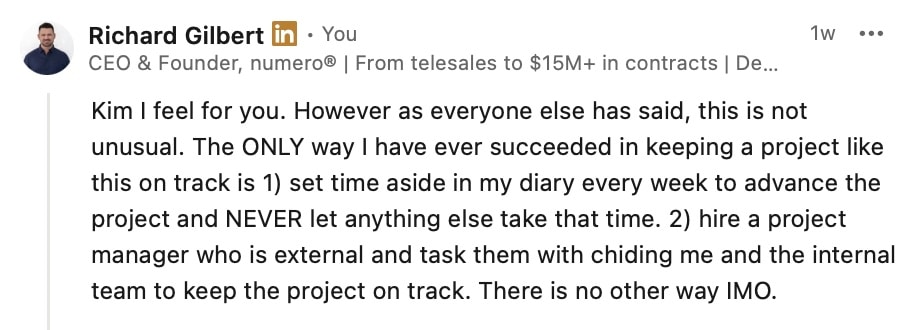
    We love hearing different points of view. If you’re on LinkedIn please join the discussion that Harry started. Here’s what our founder, Richard Gilbert said.

    LinkedIn quote from Richard Gilbert
    Richard Gilbert response – click image to view

    Further resources

  • GEO Case Study Examples

    GEO Case Study Examples

    We all use Google but now AI-powered search results are appear at the top of search results, offering complete answers without requiring you to click through to websites. This risks killing your online business because nobody visits your website.

    Three key SEO strategies for 2025:

    1. GEO (Generative Experience Optimisation) – Ensures AI tools like ChatGPT and Google AI cite your content as sources
    2. SEO (Search Engine Optimisation) – Gets your business found in traditional search results
    3. AEO (Answer Engine Optimisation) – Helps you appear in featured snippets and answer boxes

    GEO is so new that we (like you) are on a steep learning curve. Working out effective SEO strategies is evolving. Below are four worked examples – take our work and adapt it for your own business website SEO. To learn the principles of SEO for AI bots, read our ebook SEO, AEO, GEO appear everywhere your clients are looking in 2025.

    Click the image to download the ebook.

    Google AI search Mode

    At the time of writing (September 2025) Google has launched AI Mode – this is a different way of searching which uses Gemini’s advanced search and reasoning. Try out AI Search Mode.

    Numero supports its ecommerce clients – we wrote this article about enabling ChatGPT product discovery back in June 2025 – by September our client Manuka South was showing up in product search results inside ChatGPT. Follow the link to read the article and submit your ecommerce store product list for indexing by ChatGPT.

    AI Content Optimisation: Before & After Examples

    Here are four fictional businesses who implemented GEO for their website. Each one has a “Before” and “After” text demonstrating what changes you need to make to website landing pages in order to show up in AI search results.

    Pick the business which is closest to your own, and edit the text to suit your situation.

    1. Industrial electrician
    2. E-commerce fashion retailer
    3. Construction building renovation specialists
    4. Specialist car parts retailer

    Case Study: Apex Industrial Electrical Services

    Company Profile: Apex Industrial Electrical is a 35-person electrical contracting firm specialising in commercial and industrial projects across Auckland and Hamilton. They handle everything from factory rewiring to emergency power system installations for manufacturing facilities.

    BEFORE: Traditional SEO-Focused Content for Electrician

    Page Title: Best Industrial Electricians – Commercial Electrical Services | Apex Industrial

    Web page content:

    Welcome to Apex Industrial Electrical Services, your premier choice for industrial electrical solutions! Our team of experienced industrial electricians has been serving the commercial sector for over 15 years. We provide top-quality electrical services that exceed expectations.

    Our industrial electrical services include comprehensive electrical solutions for all your commercial needs. From electrical installations to electrical repairs, our certified electricians deliver professional electrical work. We are the leading industrial electrical contractors in the region, offering competitive pricing and exceptional customer service.

    When you need reliable industrial electricians, choose Apex Industrial Electrical Services. Our electrical expertise and commitment to excellence make us the best choice for your electrical project. Contact our electrical team today for a free electrical estimate!

    AFTER: AI-Optimised Content for Electrician Business

    Revised Page Title: How Long Does Industrial Electrical Installation Take? | Apex Industrial Electrical

    Revised Content:

    Industrial electrical installation timelines vary significantly based on project scope and facility size. Here’s what businesses can expect:

    Small Commercial Facilities (Under 1,000 sq metres):

    • Basic rewiring: 3-5 business days
    • Switchboard upgrades: 1-2 days
    • Emergency power systems: 5-7 days

    Large Manufacturing Plants (Over 5,000 sq metres):

    • Complete electrical infrastructure: 4-8 weeks
    • Production line power installation: 2-3 weeks
    • Backup generator integration: 1-2 weeks

    Factors That Affect Timeline:

    1. Building occupancy during work (adds 20-30% to timeline)
    2. Building consent approval process (typically 2-3 weeks)
    3. Equipment availability and delivery schedules
    4. Integration with existing systems

    Emergency Industrial Electrical Services:

    Apex Industrial Electrical provides 24/7 emergency response for critical power failures. Our average response time is 45 minutes for manufacturing facilities within Auckland and Hamilton.

    We maintain a team of 35 licensed industrial electricians and stock common industrial electrical components to minimise downtime. Our service area covers greater Auckland, Hamilton, and the Waikato region.

    Why this works for AI search:

    The new text has lists, short sentences, includes key phrases that answer questions which customers may ask AI to answer such as How long does it take to do a new industrial electrical installation? Not only is this in th page title, it’s also answered in the body copy and bullet lists for different situations.

    Case Study: Luxe & Lane Fashion

    Company Profile: Luxe & Lane is a direct-to-consumer online fashion retailer specialising in contemporary women’s clothing priced between $200-$1,200 NZD. They focus on sustainable materials and limited-edition collections, targeting professional women aged 28-45 across New Zealand.

    BEFORE: Traditional SEO-Focused Content for Fashion Retail

    Page Title: Designer Women’s Clothing | Luxury Fashion Online | Luxe & Lane

    Content:

    Shop the latest designer women’s clothing at Luxe & Lane! Our luxury fashion collection features the most stylish women’s clothes for the modern woman. From designer dresses to luxury tops, our women’s fashion is perfect for any occasion.

    Discover our exclusive designer clothing collection featuring premium women’s fashion. Our luxury women’s clothing is crafted from the finest materials and designed for the sophisticated woman who appreciates quality fashion.

    Browse our designer women’s clothing sale and find amazing deals on luxury fashion. Our women’s designer clothes are perfect for work, weekend, and special occasions. Shop luxury women’s fashion online with free shipping on orders over $300.

    Experience the best in women’s luxury fashion with our curated collection of designer clothing. From casual luxury wear to elegant evening dresses, Luxe & Lane offers premium women’s fashion that makes a statement.

    AFTER: AI-Optimised Content for Fashion Retail

    Revised Page Title: What Size Should I Order in Contemporary Women’s Clothing? – Luxe & Lane Sizing Guide

    Revised Content:

    Contemporary women’s clothing typically runs smaller than traditional department store sizing. Here’s how to find your correct size:

    Size Conversion Guide:

    • If you wear size 12 in Farmers or The Warehouse → Order size 14 in contemporary brands
    • If you wear size 16 in department stores → Order size 18 in contemporary brands
    • Designer brands often run 1-2 sizes smaller than expected

    Luxe & Lane Specific Sizing:

    Our garments are cut for a tailored, professional fit. Most customers order one size up from their usual New Zealand department store size.

    Body Measurements vs. Size Tags:

    • Bust: Measure around the fullest part
    • Waist: Measure at natural waistline (narrowest point)
    • Hips: Measure around fullest part, about 20cm below waist

    Fabric Considerations:

    • Structured blazers: True to size due to tailored cut
    • Knit tops: Size up for comfortable fit
    • Trousers: Check inside leg length – our standard inside leg is 81cm

    Free Exchanges:

    We offer free size exchanges within 30 days. Keep tags attached and items in original condition. Our most popular exchange is sizing up by one size.

    Customer Service: Text ‘FIT’ to 021-555-0123 for personalised sizing advice based on your measurements and the specific item you’re considering.

    Why this works for AI search:

    The new text sets out to answer questions about clothing sizes and explains the difference from standard sizes in other stores. It also has lists and a handy size conversion guide that answers questions which customers may ask AI such as How to find the right clothes size for me? The inclusion of a SMS question and answer service reinforces the helpful nature of this page.

    Want results like these? Book a free strategy call.

    Business 3: Metropolitan Apartment Renovators

    Company Profile: Metropolitan Apartment Renovators specialises in full-scale apartment building renovations, working primarily with property management companies and building owners in Wellington and Auckland. They handle projects ranging from single-unit updates to entire building modernisations.

    BEFORE: Traditional SEO-Focused Content for Construction Business

    Page Title: Apartment Building Renovation Contractors | Metropolitan Renovators

    Content:

    Metropolitan Apartment Renovators is your trusted partner for apartment building renovations and apartment renovation services. Our experienced apartment renovation contractors provide comprehensive renovation solutions for apartment buildings.

    We specialise in apartment building renovation projects of all sizes. From single apartment renovations to full building renovations, our apartment renovation experts deliver quality results. Our apartment building contractors have extensive experience in residential renovation and apartment complex renovations.

    Choose Metropolitan Apartment Renovators for your apartment building renovation needs. We are the leading apartment renovation company providing professional apartment renovation services. Our apartment renovation contractors are licensed, insured, and committed to excellence in every apartment building renovation project.

    Contact us today for apartment renovation estimates and learn why property owners choose Metropolitan Apartment Renovators for their apartment building renovation projects.

    AFTER: AI-Optimised Content for Construction Business

    Revised Page Title: How Much Does Apartment Building Renovation Cost in New Zealand? – Metropolitan Renovators

    Revised Content:

    Apartment building renovation costs in New Zealand vary significantly based on scope, age of building, and location. Here’s what property owners can expect:

    Per-Unit Renovation Costs (2024):

    • Basic refresh (paint, carpet, minor fixtures): $8,000-$15,000 per unit
    • Mid-range renovation (kitchen, bathroom updates): $25,000-$40,000 per unit
    • Full renovation (complete fit-out): $45,000-$70,000 per unit

    Building-Wide Infrastructure Costs:

    • Lift replacement: $80,000-$150,000 per lift
    • Building re-cladding: $200-$400 per square metre
    • Fire safety system upgrades: $15,000-$30,000 per floor
    • Seismic strengthening: $500-$1,200 per square metre

    Regional Price Variations:

    • Auckland: 15-20% above national average
    • Wellington: 10-15% above national average
    • Other main centres: At or below national average

    Factors Affecting Cost:

    • Building age (pre-1980 buildings require more infrastructure work)
    • Council consent requirements
    • Earthquake strengthening needs
    • Tenant displacement costs
    • Access limitations in CBD locations

    Timeline and Budgeting:

    Most apartment building renovations take 6-18 months. Budget an additional 10-15% for unexpected issues commonly found in older buildings, particularly plumbing and electrical infrastructure.

    Metropolitan Renovators provides fixed-price quotes after comprehensive building assessments. We’re licensed building practitioners with experience in Wellington and Auckland council processes.

    Why this works for AI search:

    The new wording has price ranges for different types of renovation jobs – the regional specificity allows it to be a good search results for questions such as Residential reno prices for Hamilton. Having suggestions about budget flexibility and the situations this applies to will also support searches for “older buildings”.

    Business 4: Kiwi Performance Parts

    Company Profile: Kiwi Performance Parts is an e-commerce retailer specialising in performance car parts and modifications. They serve New Zealand’s car enthusiast community, focusing on popular models like Subaru WRX, Mitsubishi Evo, Honda Civic Type R, and Ford Focus ST.

    BEFORE: Traditional SEO-Focused Content for Automotive Business

    Page Title: Performance Car Parts NZ | Turbo Parts | Kiwi Performance Parts

    Content:

    Welcome to Kiwi Performance Parts, New Zealand’s premier performance car parts store! We stock the best performance car parts, turbo parts, and car modifications for all performance vehicles. Our performance parts catalogue includes top-quality car performance parts from leading brands.

    Shop our extensive range of performance car parts including turbo kits, exhaust systems, and engine performance parts. Whether you need performance car parts for your Subaru, Honda, or Mitsubishi, we have the performance parts you need.

    Our performance car parts are competitively priced with fast shipping across New Zealand. From turbo performance parts to suspension upgrades, we are your one-stop shop for all performance car parts needs. Buy performance parts online with confidence from New Zealand’s trusted performance parts supplier.

    Choose Kiwi Performance Parts for genuine performance car parts, expert advice, and excellent customer service. We are passionate about performance cars and committed to providing the best performance parts for New Zealand car enthusiasts.

    AFTER: AI-Optimised Content for Automotive Business

    Revised Page Title: Will a Cold Air Intake Void My Car Warranty in New Zealand? – Kiwi Performance Parts

    Revised Content:

    Installing a cold air intake in New Zealand may affect your warranty, but it won’t automatically void it entirely. Here’s what you need to know:

    Consumer Guarantees Act Protection:

    Under New Zealand’s Consumer Guarantees Act, dealers cannot void your entire warranty due to aftermarket modifications unless they can prove the modification directly caused the specific failure.

    What Dealers Can and Cannot Do:

    • Can refuse warranty claims: If the cold air intake caused the specific problem (e.g., water damage from poor installation)
    • Cannot void entire warranty: Unrelated systems (brakes, transmission) must still be covered
    • Must prove causation: Dealer must demonstrate how your modification caused the specific failure

    Documentation Requirements:

    Keep receipts and installation records. Professional installation by a qualified mechanic strengthens your position if warranty issues arise.

    Popular Models and Warranty Considerations:

    • Subaru WRX/STI: Dealers often more accepting of performance mods
    • Honda Civic Type R: Generally warranty-friendly for basic intake upgrades
    • Mitsubishi Evo: Check with dealer before modification
    • Ford Focus ST: Varies significantly between dealerships

    Best Practices:

    1. Inform your dealer before installation
    2. Use quality, well-known brands (AEM, Injen, K&N)
    3. Keep original airbox for warranty work
    4. Choose reversible modifications when possible

    Professional Installation Available:

    Kiwi Performance Parts partners with certified mechanics in Auckland, Wellington, and Christchurch for professional installation with documentation for warranty protection.

    Why this works for AI search:

    Including bulleted and numbered lists is great for AI search results. Along with named car marques which are likely included in questions Cold intake fitting for Honda Civic. And the best practice list allows the reader to quickly see possible pitfalls which they can avoid.

    Worked examples of AI Generative Experience Optimisation

    These four fictional business examples all use the same principles which are explained in detail in our GEO, AEO and SEO ebook – download it to read for yourself.

    numero® is an expert SEO agency specialising in New Zealand business. Can we help you?